Demystifying Digital Currency: A Beginner’s Guide
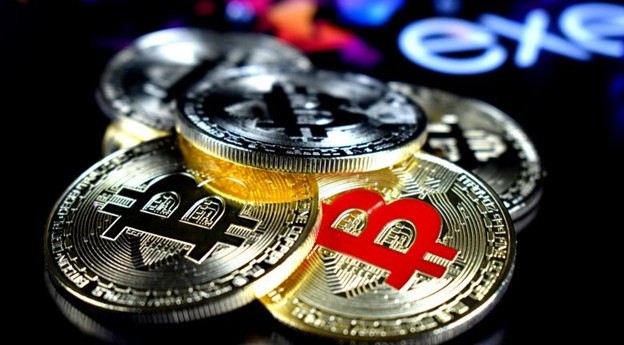
Ditch the cash! Looking for a way to send and receive payments instantly, securely, and even internationally? Then digital currency might be for you. Digital money, also known as digital currency, is revolutionizing the way we pay for everything from your morning coffee to online games. Unlike traditional physical cash, digital currency exists electronically and offers a fast, convenient, and borderless way to transact. Whether you’re a tech-savvy entrepreneur or just someone who wants to simplify your finances, read on to learn more about the exciting world of digital money and explore if it’s the right fit for you.
Digital money has arrived, but it’s far from a one-size-fits-all solution. Instead, it presents a diverse array of options, each with its own unique characteristics. But what exactly is digital money? It’s not just about the virtual funds in your bank account. Understanding the various types of digital money is essential, as they encompass a wide range of features and functionalities. The most common form of digital money is actually held by banks and central governments themselves. These institutions hold vast amounts of capital electronically, not in physical vaults. This digital money allows them to handle enormous transactions without the need for mountains of cash. Here are some of the most popular forms of digital currency currently in use and how they work.
Cryptocurrency:
Imagine cash, but digital and way more secure! That’s the basic idea behind cryptocurrency. Being the most popular form of digital currency, it’s a special kind of digital money that doesn’t rely on banks. Instead, it uses something called blockchain, which is like a giant, shared spreadsheet that everyone can see. This spreadsheet keeps track of who owns what crypto money and records every single purchase.
To make sure everything stays safe and nobody cheats, there are powerful computers solving complex puzzles all over the world. These computers are called miners, and when they solve a puzzle, they get rewarded with new crypto money! This is how some cryptocurrencies, like Bitcoin, create new coins. Bitcoin, Ethereum, Ripple, and Litecoin are just a few of the many cryptocurrencies out there, kind of like different brands of digital cash.
Central Bank Digital Currencies (CBDCs):
Imagine cash, but instead of bills and coins, it’s digital! That’s basically a Central Bank Digital Currency, or CBDC for short. Think of it as your government creating a super secure digital version of your money.
Why bother? Well, with a CBDC, you get all the benefits of using digital cash – fast, secure transactions – without the worry of some weird cryptocurrency going bust. Plus, it might even make it easier for everyone to access money, even those who don’t have a bank account yet.
Several countries are already trying out their own CBDCs, with names like the Sand Dollar in the Bahamas and the e-CNY in China. Pretty cool, right? We’re basically seeing the future of money unfold before our eyes!
Virtual currencies:
Imagine you’re playing a super cool online game. You want a sweet new sword for your avatar, but you gotta pay for it. That’s where virtual currencies come in. Think of them like special money you can only use in that particular game world. They’re not real cash you can hold, but they let you buy things like weapons, clothes, or anything else the game offers.
These virtual currencies are created by the game makers themselves, and they control how much there is and how it’s used. It’s like having your own mini-economy inside the game, just for players like you!
Stable coins:
Let’s talk about cryptocurrencies, but the kind that are a little less…well, wild. Stablecoins are basically digital coins that are designed to be more steady, like a rock in a storm compared to other cryptos that can jump around in value like a bouncy ball.
Imagine you have a bunch of regular cash and you want to put it into crypto, but you’re worried it might suddenly lose value. That’s where stablecoins come in! They’re like cryptocurrencies tethered to real-world things like regular money (fiat) or even gold, which helps keep their value stable. This stability makes them a good option for a few reasons:
- Everyday use: You can actually use them to buy things without having to worry about the price going crazy up or down all the time.
- Trading: They can be a helpful tool for trading other cryptocurrencies because their value is more predictable.
- Protection: If the whole crypto market is going haywire, stablecoins can be a safe haven for your digital assets.
Some popular stablecoins are Tether (USDT), USD Coin (USDC), Dai (DAI), TrueUSD (TUSD), and First Digital USD (FDUSD). Think of them as the level-headed friends in the world of crypto!